

Hamster
(Cricetinae)


Scientific Classification
Common Name: Hamster
Kingdom: Animalia
Phylum: Chordata
Class: Mammalia
Order: Rodentia
Family: Cricetidae
Subfamily: Cricetinae
Description
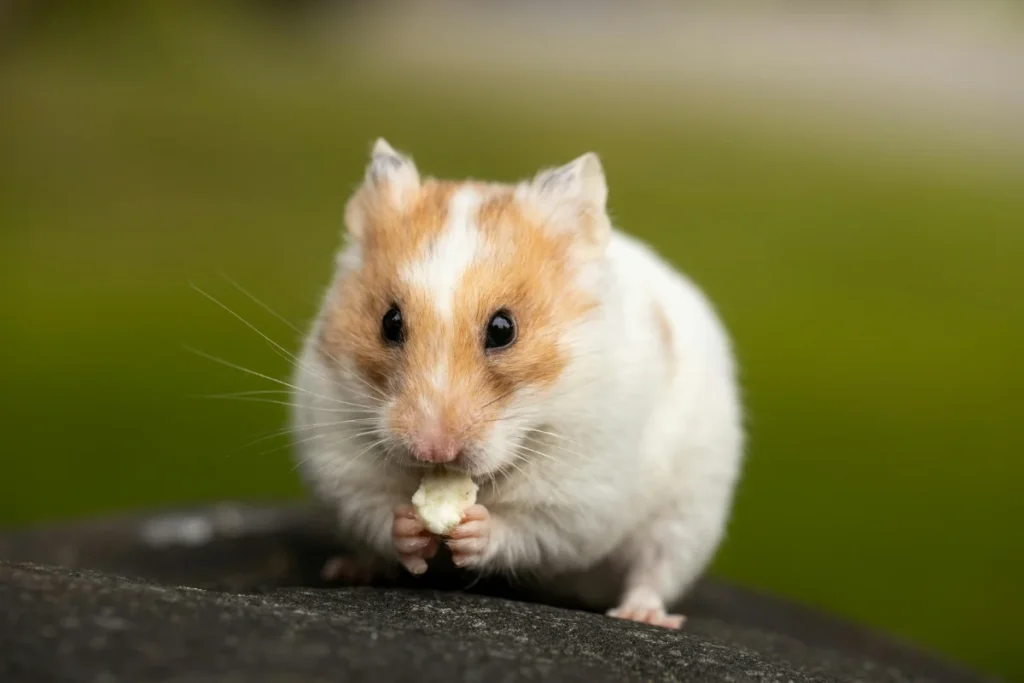
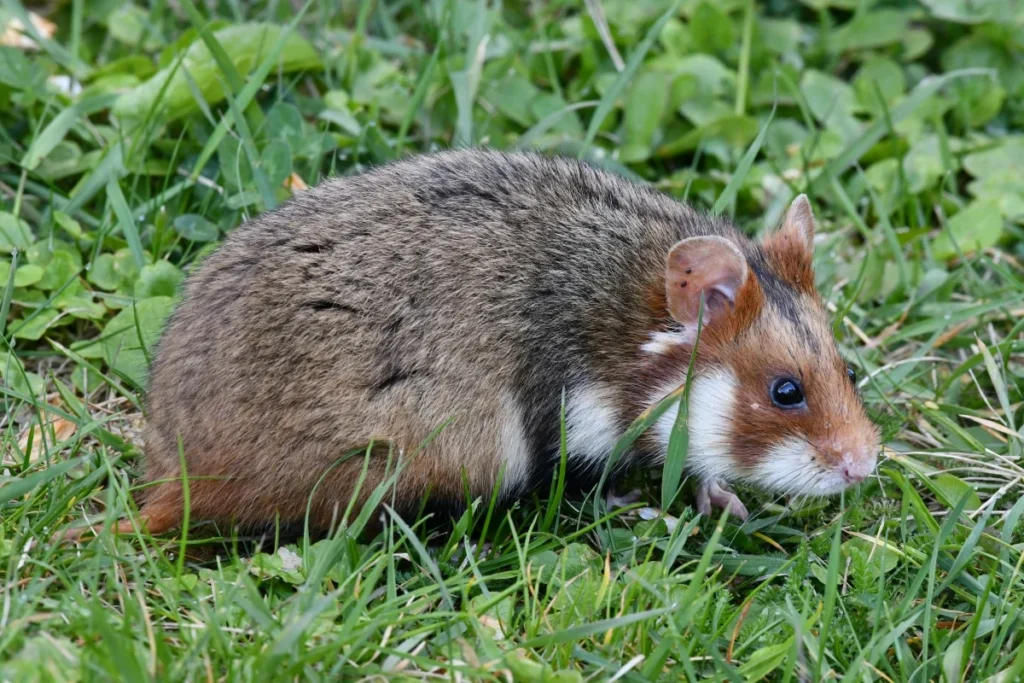
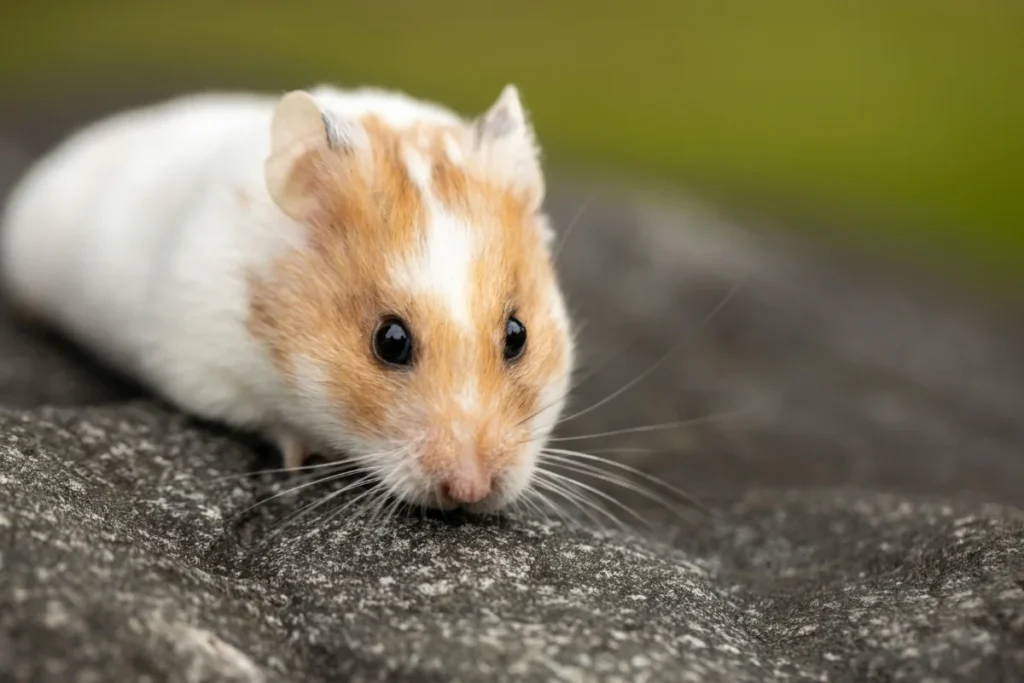
Hamsters are small, stout-bodied rodents with short tails, rounded ears, and fur-covered feet. Their most distinctive feature is their expandable cheek pouches, which extend to the shoulders and are used to carry food back to their burrows. Fur color varies widely depending on species and may include shades of brown, grey, black, white, golden, or mixed patterns.
Size
Smallest species (dwarf hamsters): 5.5–10.5 cm (2.2–4.1 in)
Largest species (European hamster): up to 34 cm (13 in), excluding tail
Weight
Varies by species; dwarf hamsters are much lighter than Syrian and European hamsters
Diet
Omnivorous; feeds on seeds, grains, fruits, vegetation, roots, and insects. In captivity, they thrive on a balanced diet of commercial hamster food supplemented with fruits and vegetables.
Activity Pattern
Primarily crepuscular or nocturnal; most active during dusk and night
Gestation Period
16–23 days depending on species
Litter Size
Average 4–8 pups; can be as many as 24 in Syrian hamsters
Sexual Maturity
As early as 4–5 weeks in some species
Life Span
2–3 years for Syrian hamsters; up to 3–4 years for some dwarf species in captivity
Range
Europe, Asia, Middle East, and North Africa
Habitat
Dry grasslands, steppes, agricultural fields, and semi-desert regions
Conservation Status
Most species: Least Concern (IUCN)
European hamster: Endangered in parts of its range
Fun Facts
1. Hamsters can store astonishing amounts of food in their cheek pouches—so much that their heads can appear two to three times larger when fully loaded.
2. Despite poor eyesight, hamsters have excellent senses of smell and hearing, including the ability to detect ultrasonic sounds.
3. The word “hamster” comes from the German word hamstern, meaning “to hoard,” which perfectly describes their food-storing behavior.
4. Syrian hamsters kept as pets today are believed to descend from a single brother–sister pair captured in Syria in 1930.
5. Hamsters are expert diggers and can build complex underground burrow systems with separate chambers for nesting, food storage, and waste.
6. Unlike many small mammals, most hamsters are solitary and may become aggressive if housed together.
Ecology and Conservation
In the wild, hamsters play an important ecological role by dispersing seeds through their hoarding and feeding habits, which helps maintain plant diversity. Their burrowing behavior also improves soil aeration and provides shelter for other small animals.
Wild hamster populations face increasing threats from habitat loss, intensive agriculture, climate change, and urban expansion. The European hamster (Cricetus cricetus) has experienced severe population declines in recent decades and is now considered endangered in several countries.
Hamsters are also widely used as laboratory animals, particularly Syrian hamsters, contributing to research in genetics, physiology, and disease studies. Conservation efforts focus on habitat protection, sustainable farming practices, and captive breeding programs for threatened species.
Bibliography
Neumann, K. et al. (2006). Molecular phylogeny of hamsters based on mitochondrial and nuclear DNA sequences.
Nowak, Ronald M. (ed.). Walker’s Mammals of the World. Johns Hopkins University Press.
Parker, Sybil P. (ed.). Grzimek’s Encyclopedia of Mammals. McGraw-Hill.
Wikipedia contributors. Hamster. Wikipedia, The Free Encyclopedia.