Monkey
Life Span
10-50 years
Top speed
30-50 km/h
Size
40 cm to 1.2 m
Weight
3 to 50 kg
Monkeys are primates that are found in various parts of the world. They are known for their high intelligence, social behavior, and dexterity. With over 260 species, they belong to two main groups: Old World monkeys and New World monkeys, each with distinct traits and adaptations.
Monkey Facts Overview
| Size: | 40 cm to 1.2 m |
| Weight: | 3 to 50 kg |
| Top Speed: | 30-50 km/h |
| Food: | Fruits, leaves, insects |
| Color: | Brown, black, gray |
| Location: | Africa, Asia, Americas |
| Predators: | Birds, big cats, snakes |
| Lifespan: | 10-50 years |
| Habitat: | Forests, jungles, savannas |
| Gestation: | 4-7 months |
Interesting Facts
Monkeys possess remarkable problem-solving abilities and often use tools to help with tasks. Some species, like capuchins, are known to crack nuts with rocks. They have highly expressive faces, showing emotions similar to humans, and some species have prehensile tails, aiding in climbing and grasping.
Description
Monkeys have a wide range of sizes, from the tiny pygmy marmoset to the large mandrill. Their bodies are covered in fur, and they often have long tails. Depending on the species, they can be arboreal (tree-dwelling) or terrestrial (ground-dwelling). Their faces are expressive with forward-facing eyes.
Characteristics
Monkeys have opposable thumbs or toes, allowing them to grip objects, making them skilled climbers and tool users. They also have sharp eyesight and a keen sense of hearing. Many species have a tail, though some, like apes, do not. Their social structures vary from simple to complex.
Care
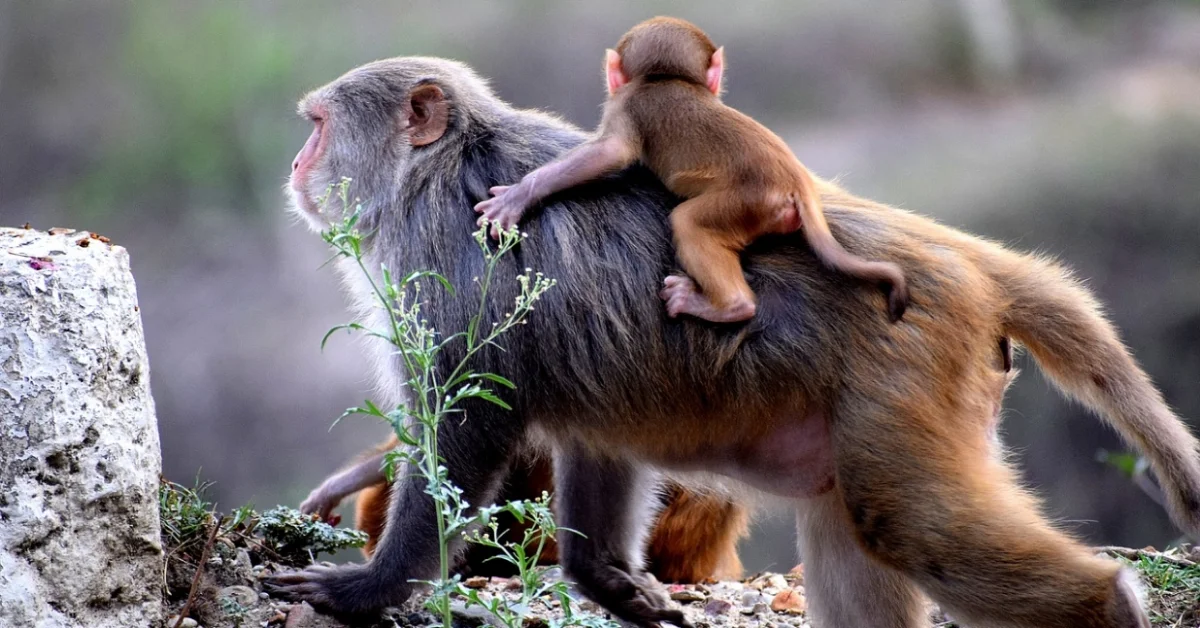
Monkeys need a large, enriching environment to thrive. They require social interactions with other monkeys or species, a balanced diet of fruits, leaves, and insects, and mental stimulation to prevent boredom. In captivity, they need space to climb and interact, as well as routine medical care.
Lifespan
Monkeys’ lifespans vary by species. Smaller species like the marmoset live around 10 years, while larger species such as baboons or macaques can live up to 40 years in the wild. In captivity, some monkeys can live longer due to proper care and fewer predators.
Predators
Monkeys face threats from large predators like lions, leopards, and eagles. Snakes also pose a danger. Juveniles are especially vulnerable to predation. To avoid predators, monkeys are highly alert and rely on their social groups to provide safety through vigilance and alarm calls.
Habitat
Monkeys live in a variety of habitats, from tropical rainforests to savannas and mountains. They tend to prefer areas with dense vegetation that offer shelter, food, and opportunities for climbing. Arboreal monkeys live in the trees, while terrestrial monkeys roam on the ground or in open areas.
Distribution
Monkeys are found across the globe, mainly in Africa, Asia, and the Americas. Old World monkeys inhabit Africa and Asia, while New World monkeys are native to Central and South America. Some species have adapted to a wide range of climates, from tropical forests to cooler mountain regions.
Diet
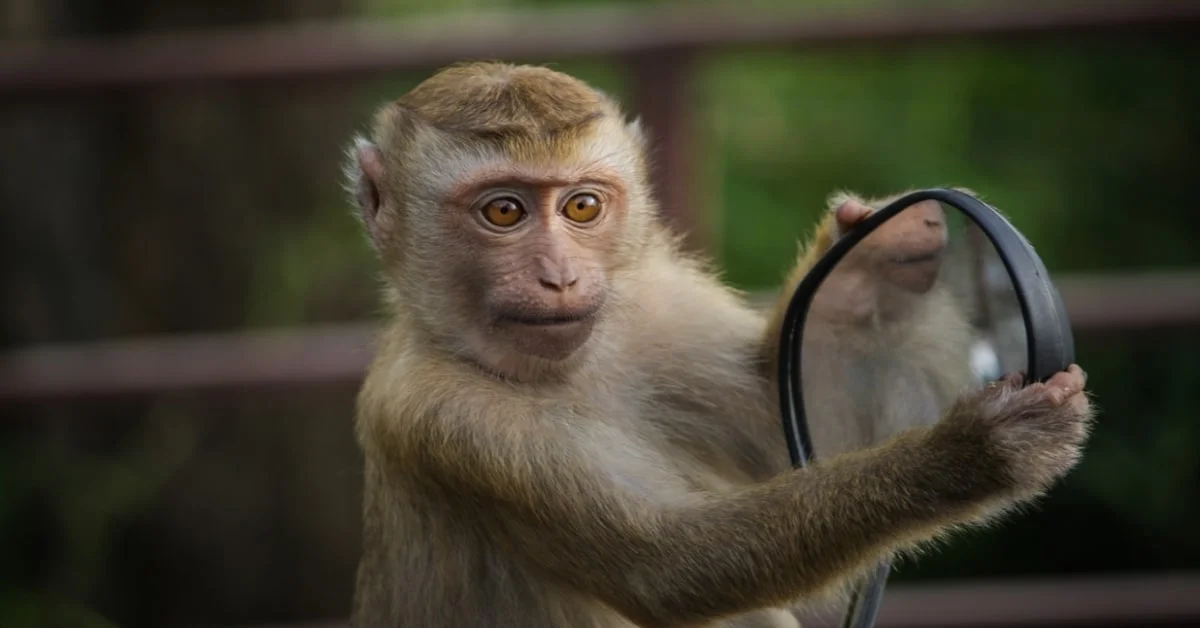
Monkeys are omnivores, eating a varied diet of fruits, leaves, seeds, insects, and small animals. Some species, like baboons, are more carnivorous and may hunt smaller mammals. Their diet depends on their environment, with some species relying heavily on the fruiting season of certain plants.
Behavior
Monkeys are social animals, living in large groups, and have complex social structures. They communicate through vocalizations, body language, and facial expressions. Many species exhibit playful behavior, especially the young. Some are territorial, using scent marking or aggression to defend their space, while others maintain cooperative relationships.
Reproduction
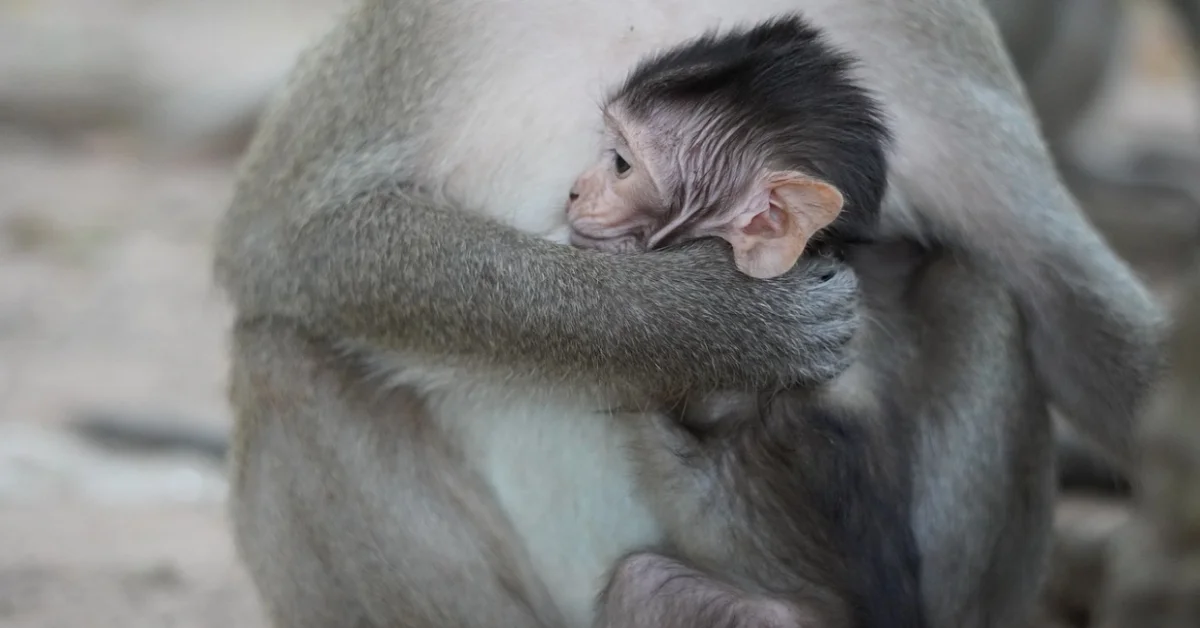
Monkeys generally give birth to a single offspring after a gestation period of 4 to 7 months, depending on the species. The mother typically cares for the infant, which is born helpless and dependent. Some species exhibit complex mating systems, and the offspring may stay with the mother for several years.
Monkey Scientific Classification
| Kingdom: | Animalia |
| Phylum: | Chordata |
| Class: | Mammalia |
| Order: | Primates |
| Family: | Cercopithecidae, Cebidae |
| Genus: | Macaca, Cebus |
| Scientific Name: | Macaca mulatta, Cebus apella |
Animals for You
References
1. Monkey Wikipedia Article – https://en.wikipedia.org/wiki/Monkey